West Valley City Foundation Pros
Wall Stabilization in West Valley City, UT
Wall stabilization in West Valley City: steel I-beams, wall anchors, and carbon fiber straps for bowing basement walls, free written estimates.
- 15+ Years local experience
- 500+ Projects completed
- Licensed & Insured
Serving West Valley City and nearby communities.
A basement wall doesn't bow overnight. In West Valley City's full-basement housing stock, it's usually spring snowmelt building up hydrostatic pressure against the wall year after year until the concrete or block gives a little. West Valley City Foundation Pros reads the degree of bow and the wall material before picking a bracing method, because a hairline crack and a two-inch bow call for very different fixes.
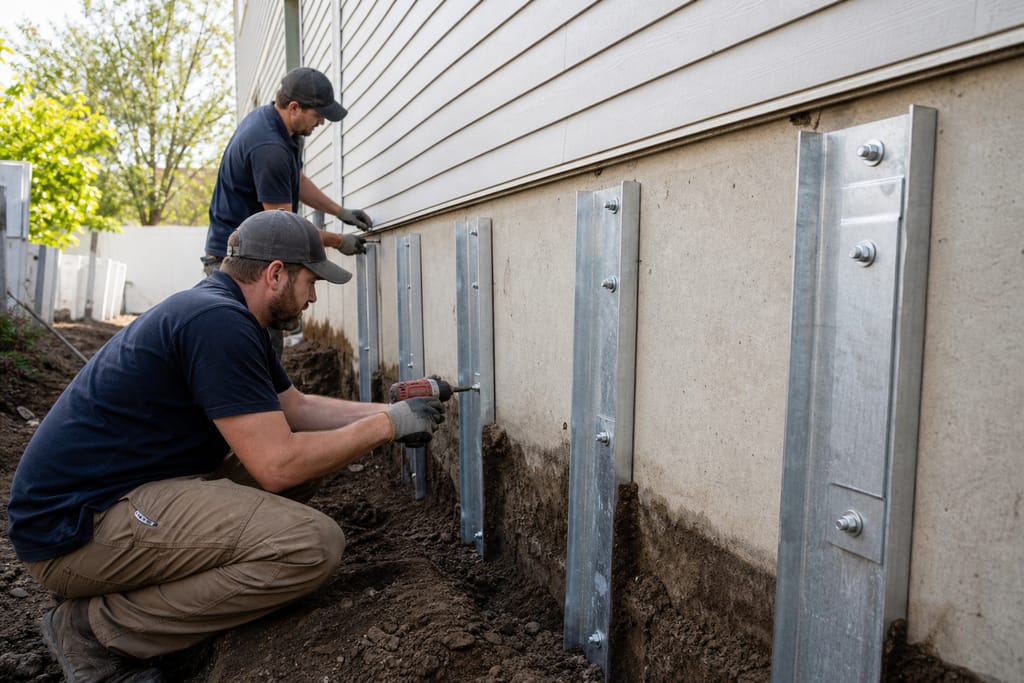
The goal of wall stabilization is to stop the inward movement and hold the wall where it is, using anchors, beams, or straps matched to how far the wall has already moved.
What's included
What's included with Wall Stabilization
- Typically included — wall inspection and pressure assessment, reinforcement plan, anchor or brace installation, tensioning adjustment, final stability check.
- Optional — epoxy crack sealing ahead of reinforcement, exterior drainage correction if snowmelt is the ongoing source.
- Customer prep — clear storage or furnishings along the affected basement wall before the crew arrives.
Want a clearer scope?
Get a Free EstimateHow it works
How our Wall Stabilization process works
 Step 1
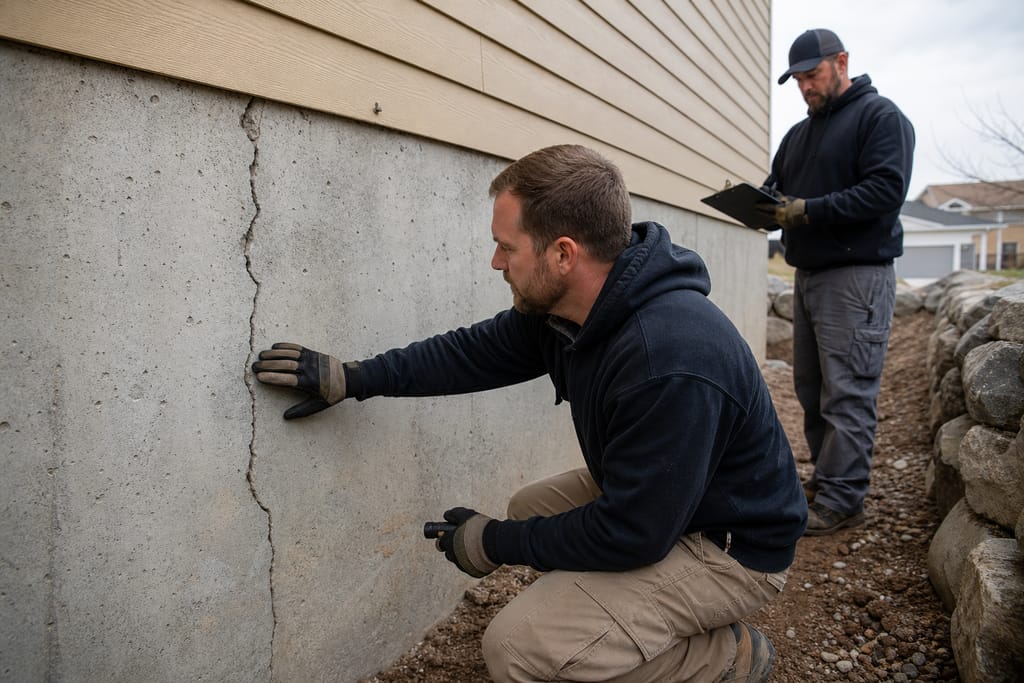
Wall Inspection
Walls are checked for bowing, cracking, or leaning.
 Step 2
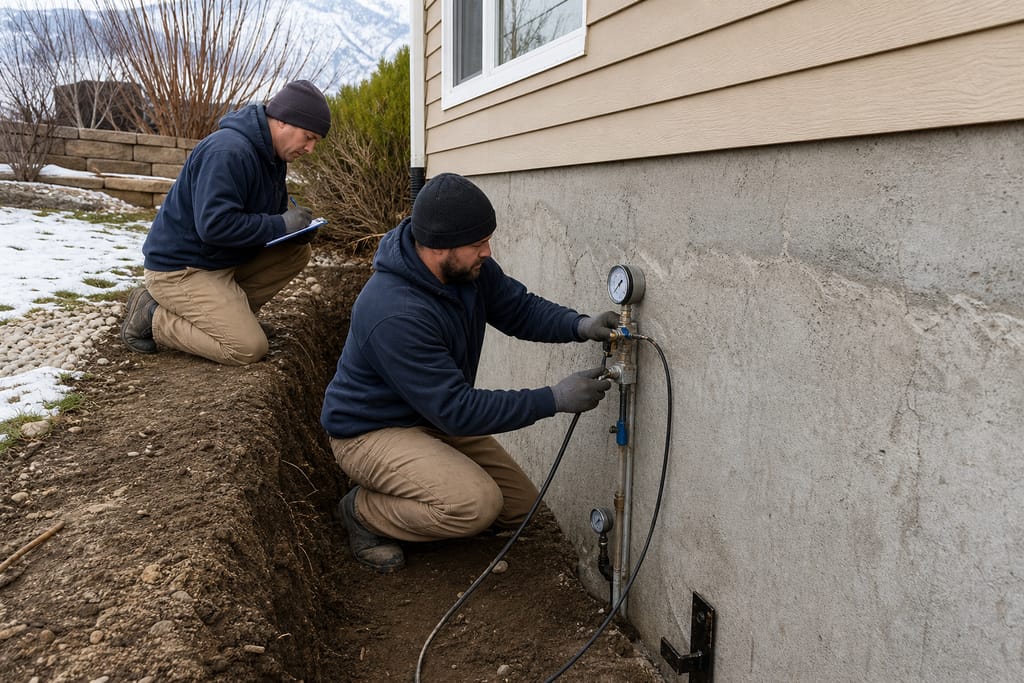
Pressure Assessment
Soil and hydrostatic pressure behind the wall are evaluated.
 Step 3
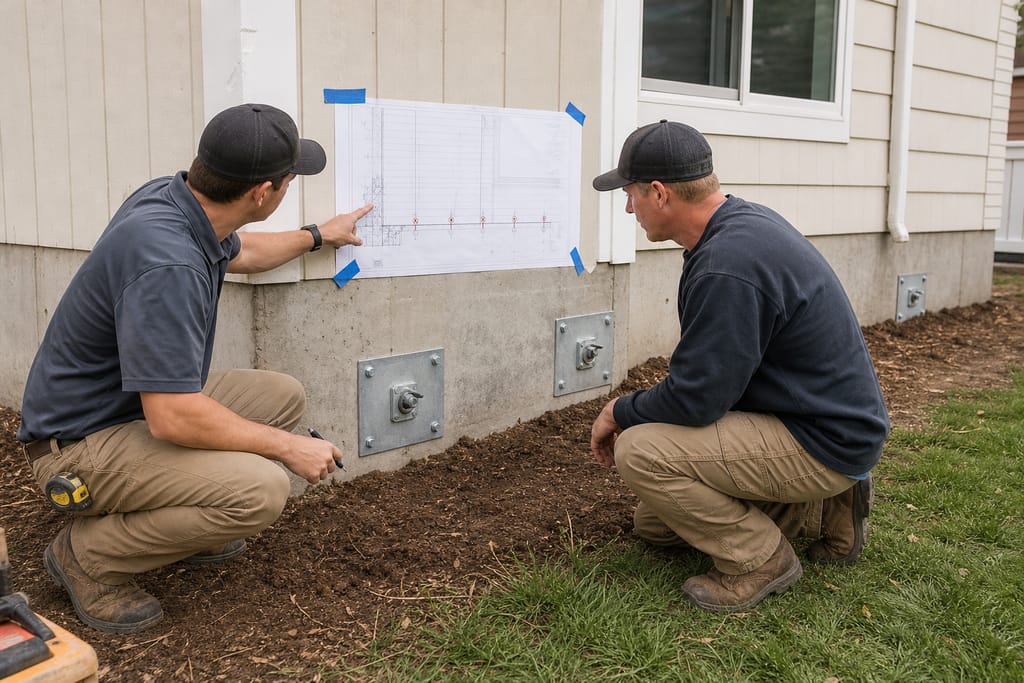
Reinforcement Planning
A stabilization method is picked based on bow severity.
 Step 4
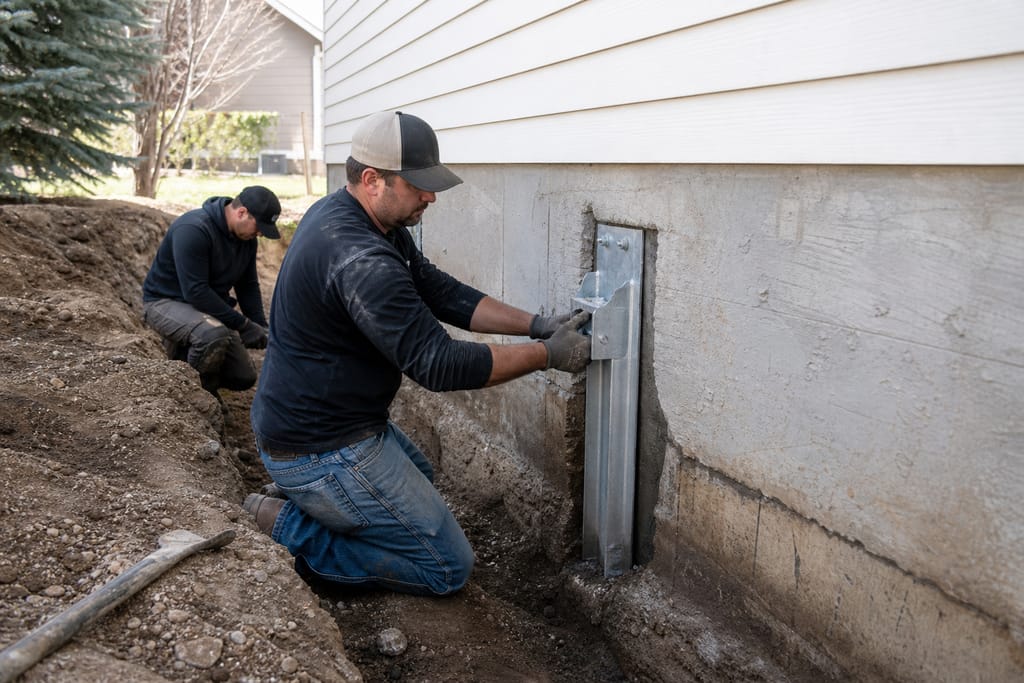
Anchor Or Brace Installation
Support systems go in to stop further movement.
 Step 5
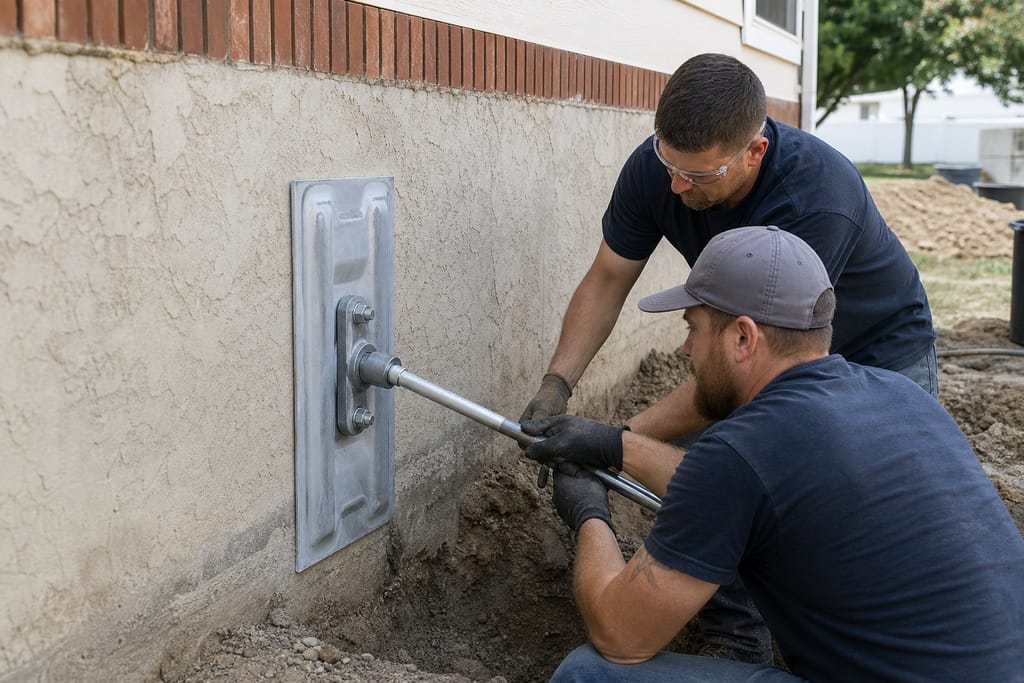
Tensioning Adjustment
Anchors or braces are tightened to gradually stabilize the wall.
 Step 6
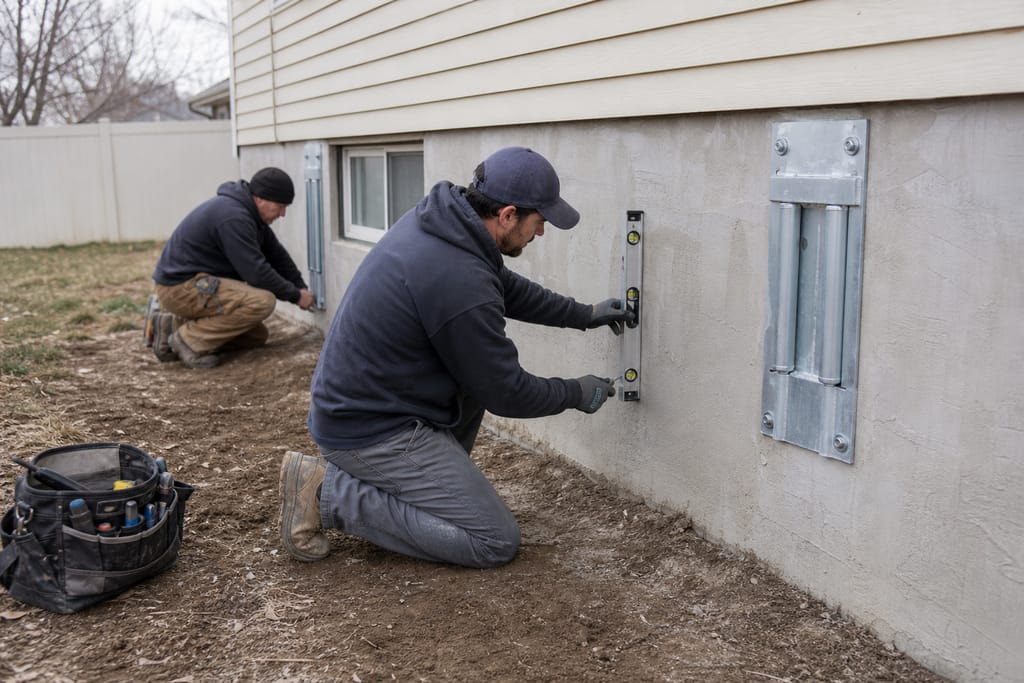
Final Inspection
The wall is rechecked to confirm stability and proper install.
Materials
Materials and methods for Wall Stabilization
Spring runoff along the Wasatch Front keeps pushing on basement walls long after the snow is gone, so the bracing method has to match how much the wall has already moved.
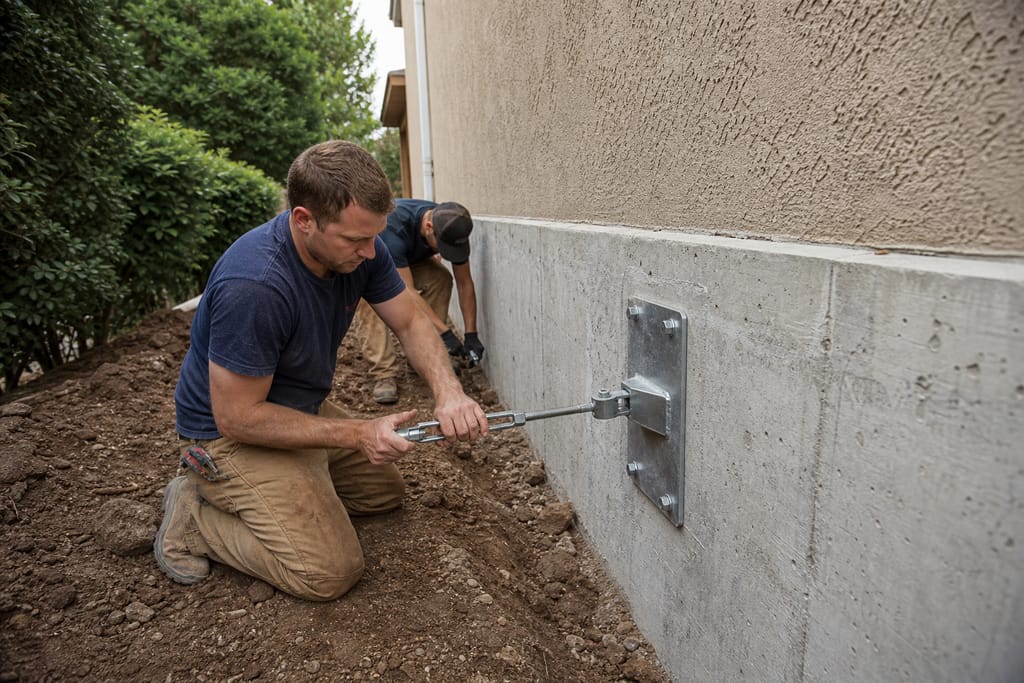
Wall Anchors
Installed in the yard to counteract inward pressure on walls that have bowed noticeably.
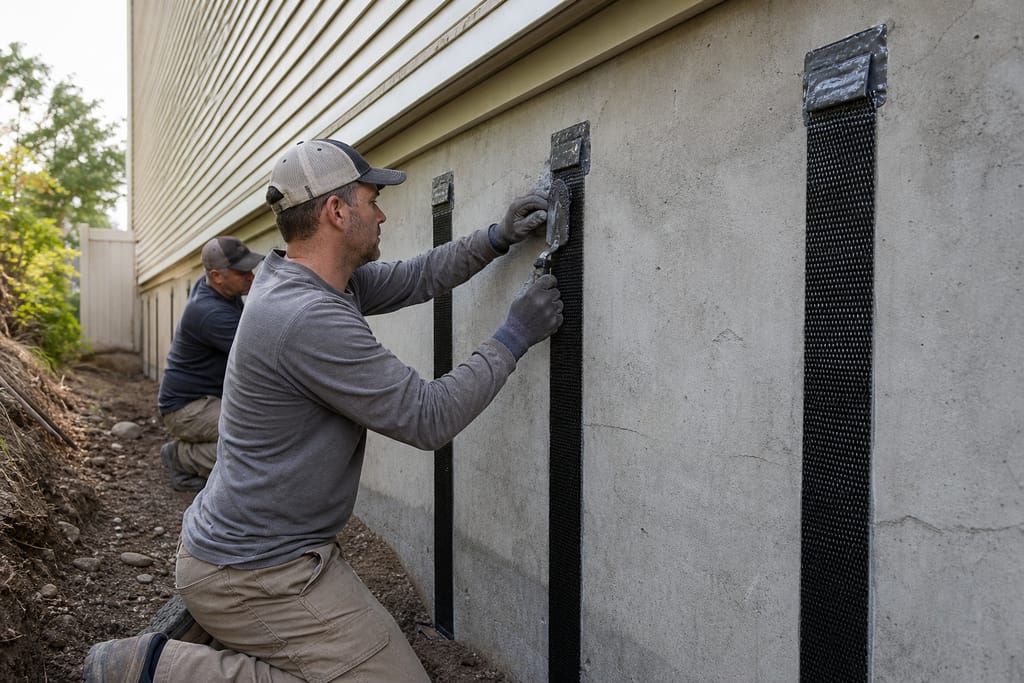
Carbon Fiber Straps
Reinforce walls with minimal bowing without requiring yard excavation.
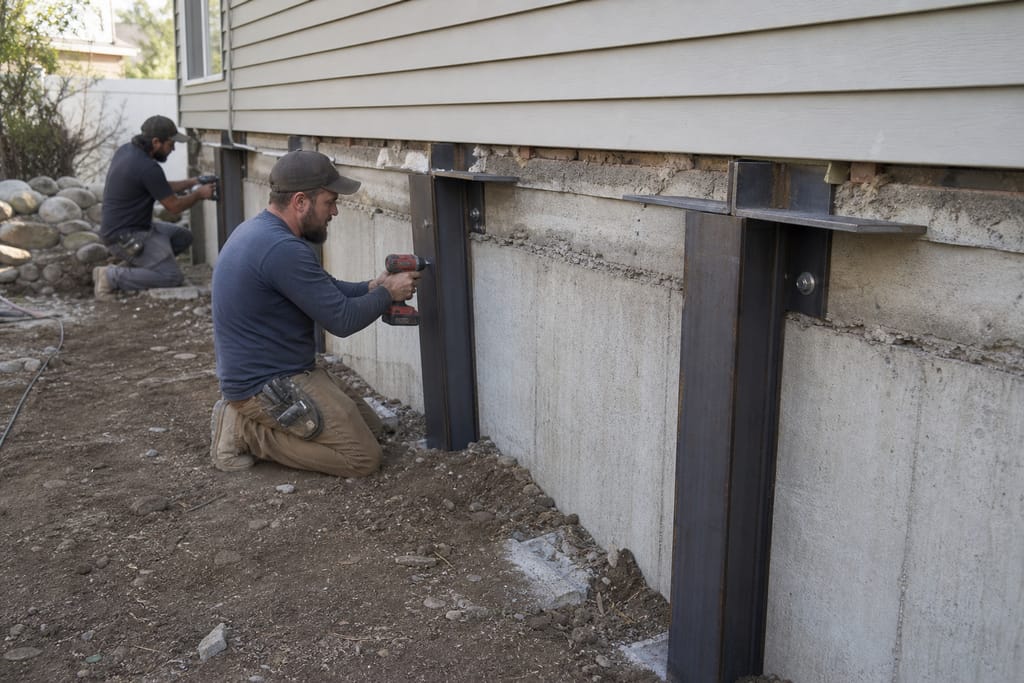
Steel I-Beams
Provide rigid bracing for walls under heavier lateral pressure.
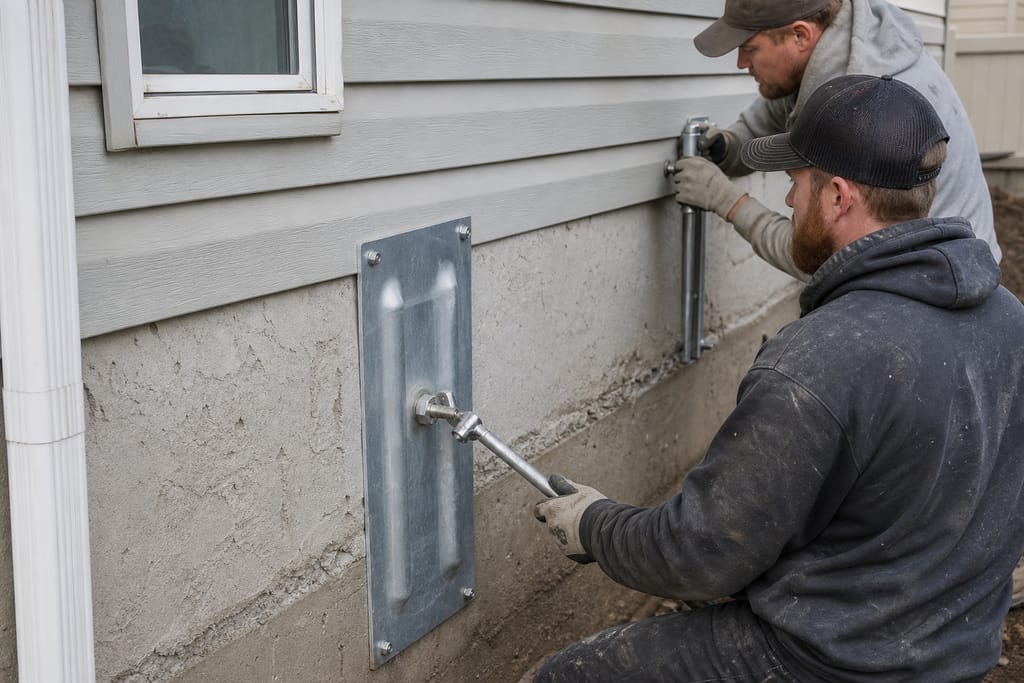
Wall Plates
Distribute anchor tension evenly so the wall doesn't stress at one point.
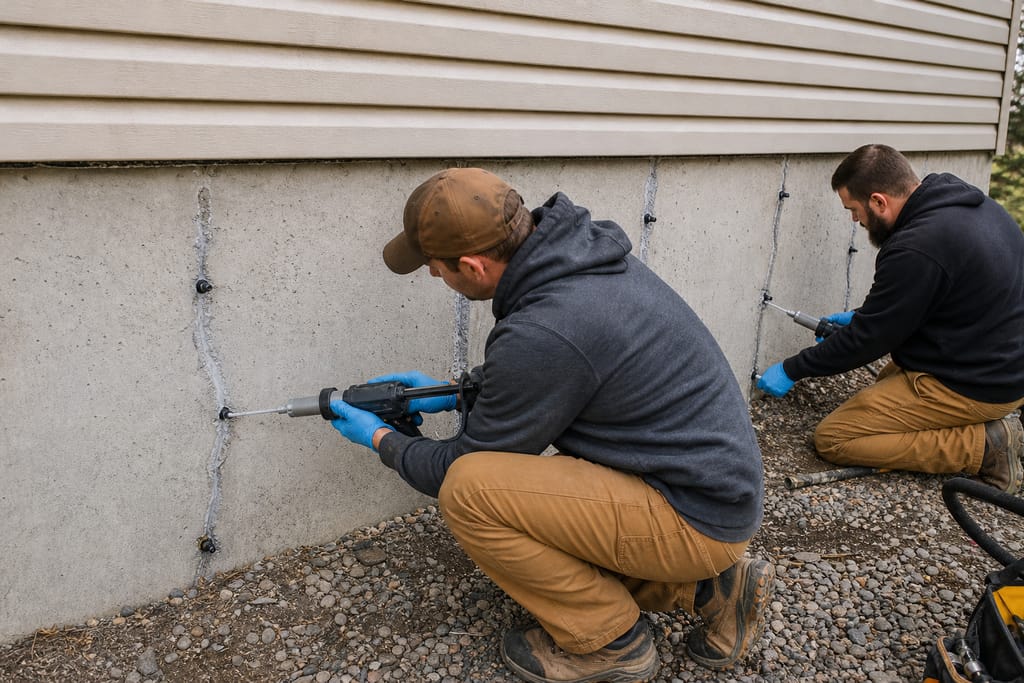
Epoxy Crack Filler
Seals cracks before reinforcement materials go on, so moisture doesn't keep working behind the brace.
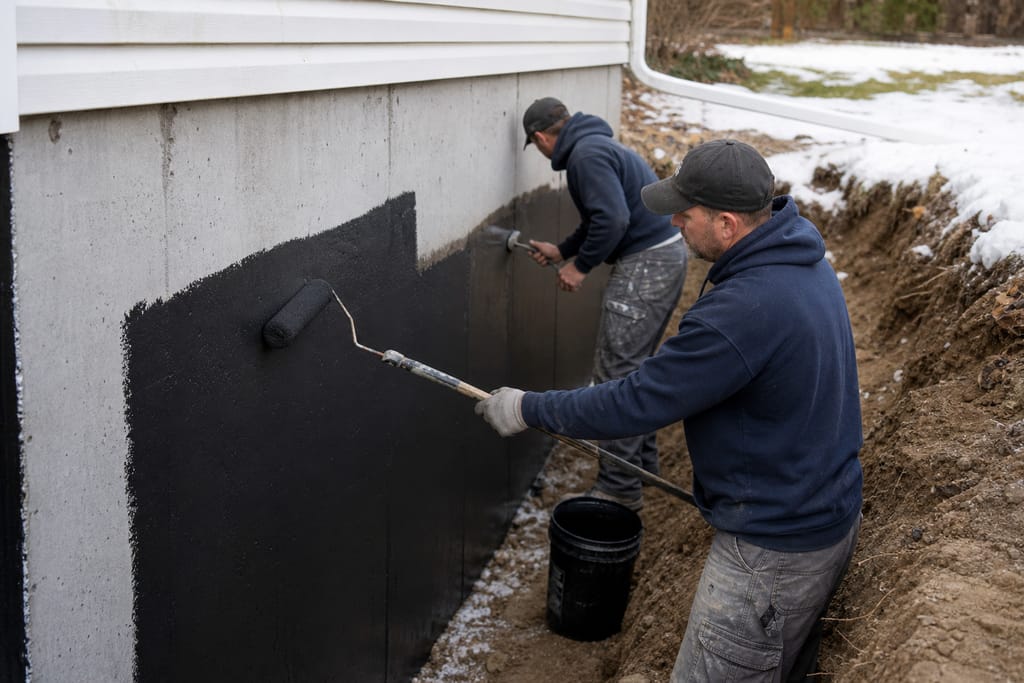
Moisture Barrier Coating
Helps protect the reinforced wall from the next spring's runoff.
Questions on materials?
Get a Free EstimateTimeline
How long does a Wall Stabilization take?
Most wall bracing jobs are a single visit once the inspection and plan are set.
- 01
Inspection and pressure assessment
same day.
- 02
Permit filing
1–2 weeks.
- 03
Anchor or brace installation
1 dayfor a typical basement wall section.
- 04
Tensioning and final check
same day
Need a schedule that fits?
Get a Free EstimateBefore & after
Before and after Wall Stabilization results
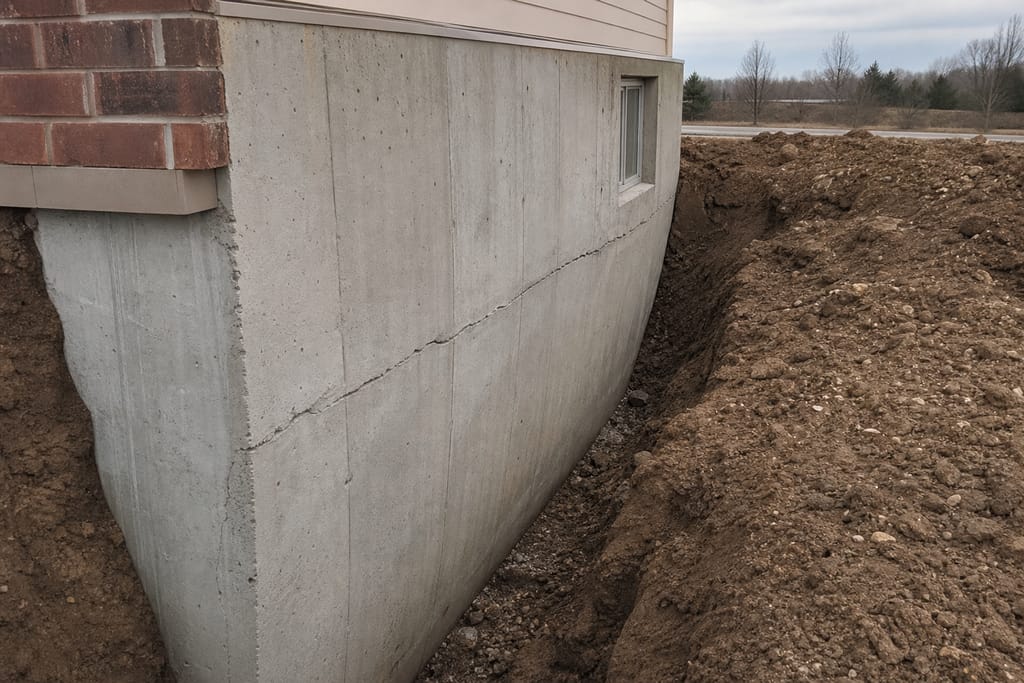
Before 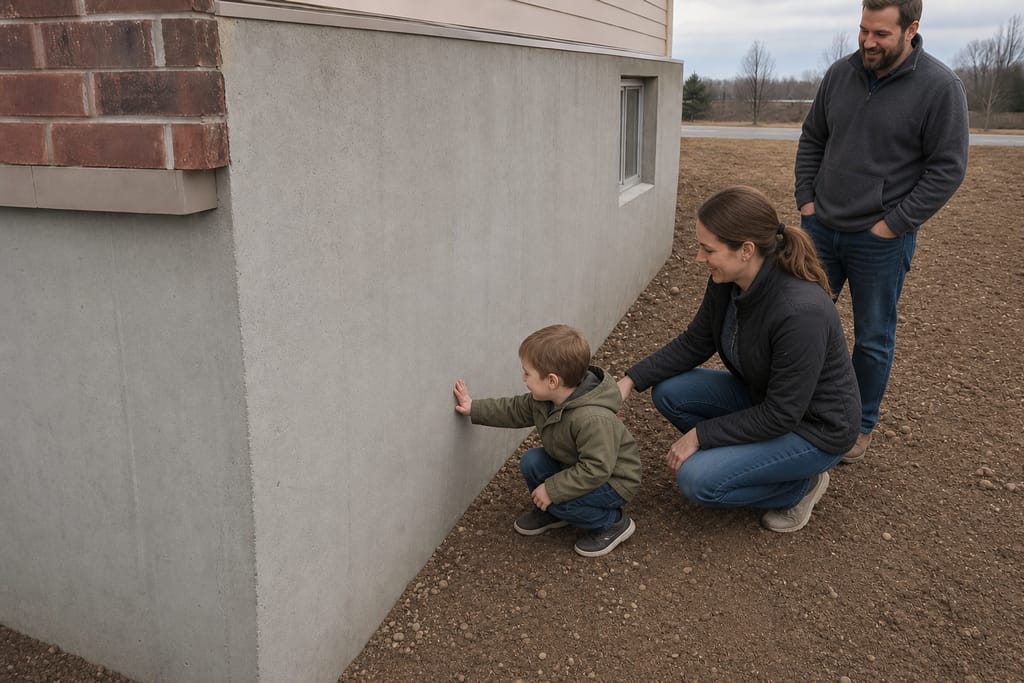
After
FAQs
Wall Stabilization FAQs
How much does wall stabilization cost in West Valley City?
Cost depends on wall length and bow severity, with carbon fiber straps on the lower end and full anchor or I-beam systems running higher. A free estimate after inspection gives an exact range.
How long does wall stabilization take?
Most jobs finish in a single day once the permit is in hand, though wider bow or longer wall sections can take two.
Do I need a permit for wall stabilization?
Structural wall bracing typically requires a permit since it affects a load-bearing wall.
Is DIY wall stabilization a good idea?
No. A bowing wall is under active lateral pressure, and incorrect bracing can let the wall keep moving or fail entirely.
How do I know if my wall is bowing versus just cracked?
Run a straightedge or level against the wall. A hairline crack with no curvature is usually stable; a wall that visibly bulges inward is actively bowing and needs bracing, not just a sealed crack.
Can I wait on wall stabilization if the bow is small?
A small bow can be monitored short-term, but it rarely reverses on its own. The earlier it's braced, the less reinforcement it usually needs.
Next step
Get a Wall Stabilization estimate in West Valley City
Call +1 (435) 295-5940 for a free estimate on bracing a bowing or leaning basement wall.
More services
Other Foundation Repair services
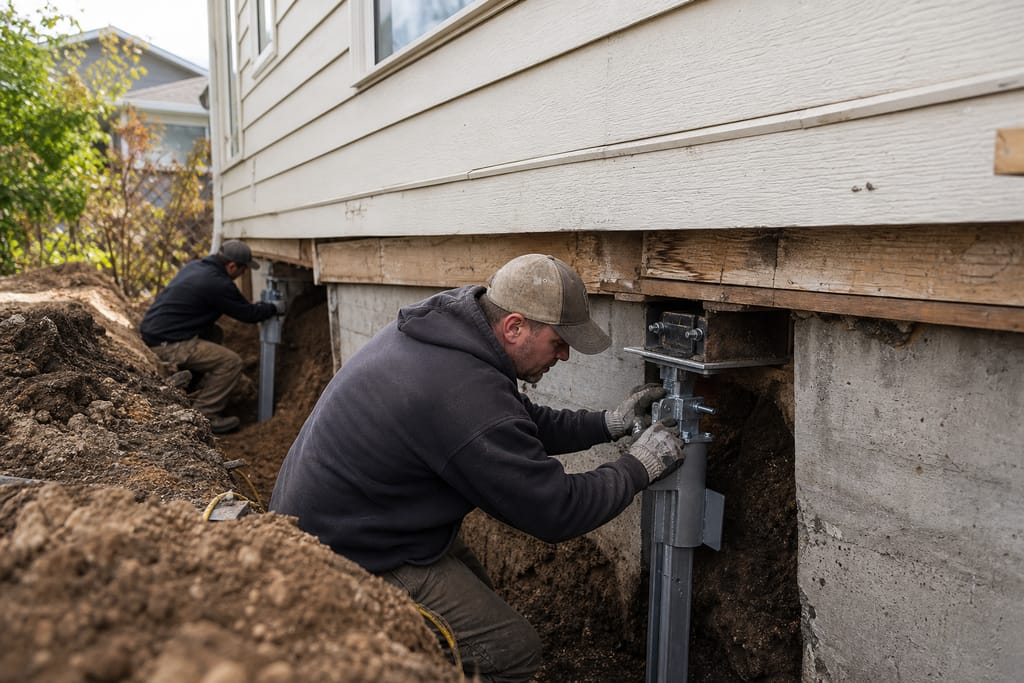
Foundation Repair
Foundation repair with steel piers, crack injection, and wall stabilization. Free estimates for West Valley City homes.
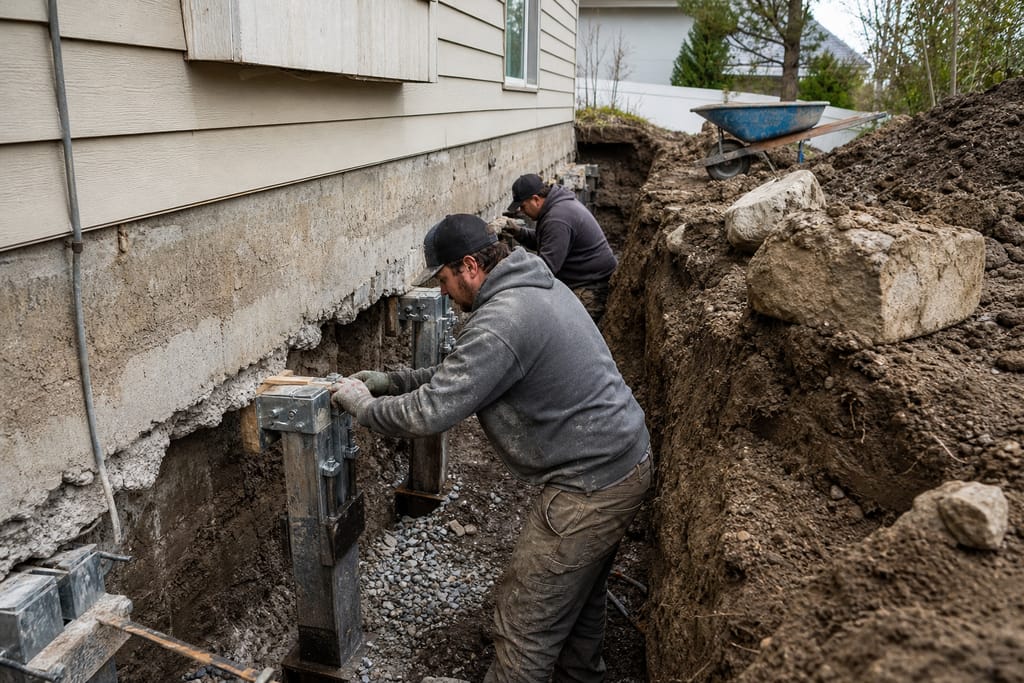
Piering and Underpinning
Piering and underpinning in West Valley City: steel push piers and helical piers to stop foundation settlement, with free written estimates.
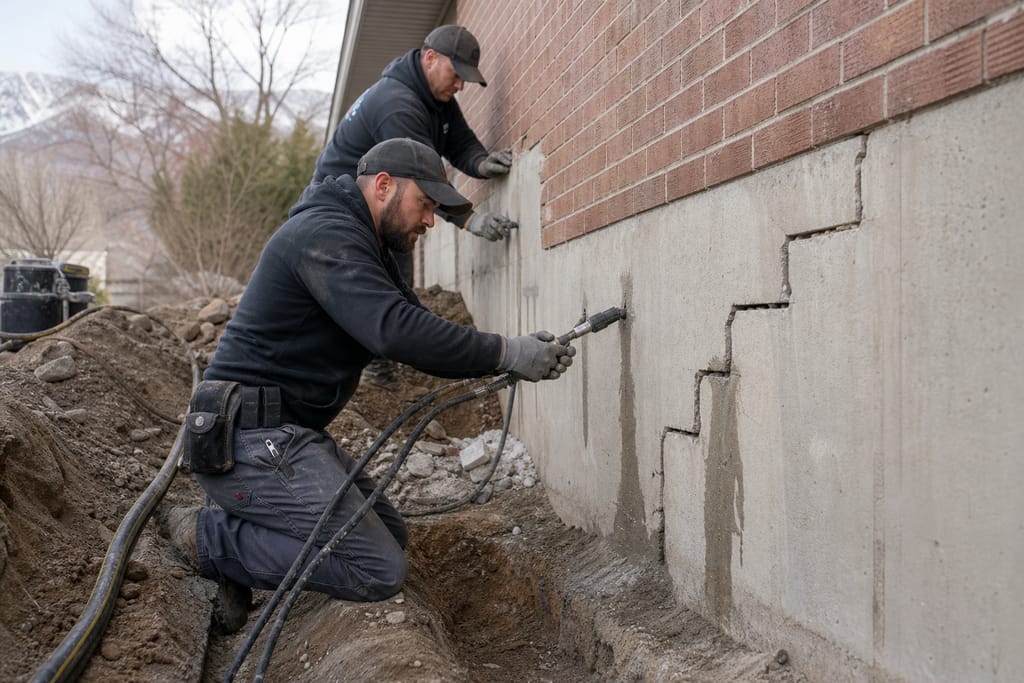
Foundation Crack Repair
Foundation crack repair in West Valley City with epoxy and polyurethane injection, free estimates, and honest hairline-vs-structural diagnosis.
Ask about Wall Stabilization
Tell us about the project and how to reach you.